We accept most insurance plans and provide convenient Telehealth services across Los Angeles and Burbank



Can you start MAT telehealth California care without driving to an office? In many cases, yes. Current federal rules allow providers to evaluate you and prescribe medication for opioid use disorder by video, and often without a prior in-person visit. For people juggling work, childcare, or a long commute, that may remove the barrier that kept treatment out of reach.
This guide covers 7 facts about virtual medication-assisted treatment in California: what the rules currently allow, which medications work by video, what insurance usually covers, and what your first appointment looks like. The information comes from a MATE-certified provider in Burbank who treats patients in person and by telehealth statewide.
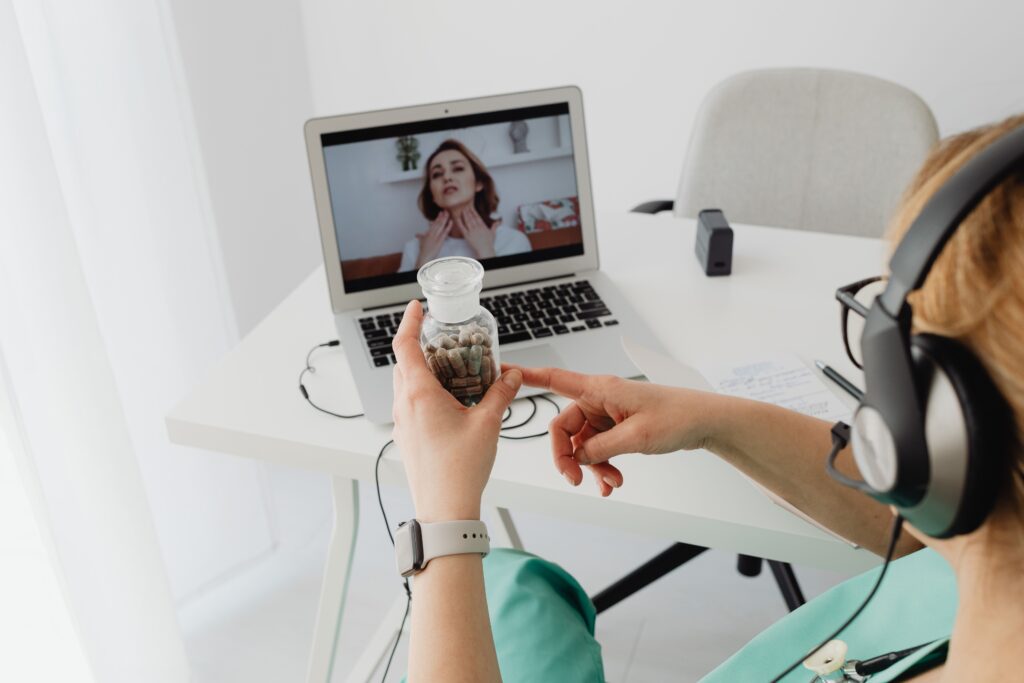
Medication-assisted treatment, or MAT, combines FDA-approved medication with counseling and support to treat opioid use disorder and alcohol use disorder. MAT telehealth means that care is delivered by secure video or phone instead of in an exam room. The medication is the same, the provider is the same, and the plan is the same. Only the setting changes.
A typical virtual visit includes a full evaluation of your history and goals, a discussion of medication options, a prescription sent to your pharmacy when appropriate, and scheduled follow-up. Counseling and check-ins can also happen by video. To see how the pieces fit together, read our overview of medication-assisted treatment in Burbank.
For many people, yes. Under federal telemedicine flexibilities currently in effect, a registered provider may prescribe medications for opioid use disorder through a telehealth visit, including for patients they have not met in person. These flexibilities are in place through the end of 2026, and a separate federal rule created a lasting pathway for prescribing buprenorphine by telemedicine.
Rules in this area have changed several times, and permanent regulations are still being finalized. That is why the practical answer is always the same: talk with a licensed California provider who follows the current federal and state requirements. Your provider will confirm what applies to your situation before anything is prescribed.
The rules that made virtual treatment possible during the pandemic have been extended several times. As things stand, a provider registered with the Drug Enforcement Administration may prescribe controlled medications by telemedicine without having done an in-person exam first, as long as the visit meets federal and state requirements. The current extension runs through December 31, 2026.
The Drug Enforcement Administration has described telehealth as an important part of keeping people connected to care. Because these rules may be updated, a provider who treats opioid use disorder daily is your best source for what is allowed at the moment you seek care.
Most telehealth appointments use secure two-way video. Seeing you allows the provider to assess how you are doing, review your history, and answer questions in real time. Video is the usual format for a first evaluation.
Current rules also allow audio-only visits for certain opioid use disorder medications, which may help if your internet is unreliable or you do not have a smartphone. Not every situation qualifies, and your provider decides based on your needs and the current requirements. If you are worried about technology, say so when you call, and the office can walk you through the options.
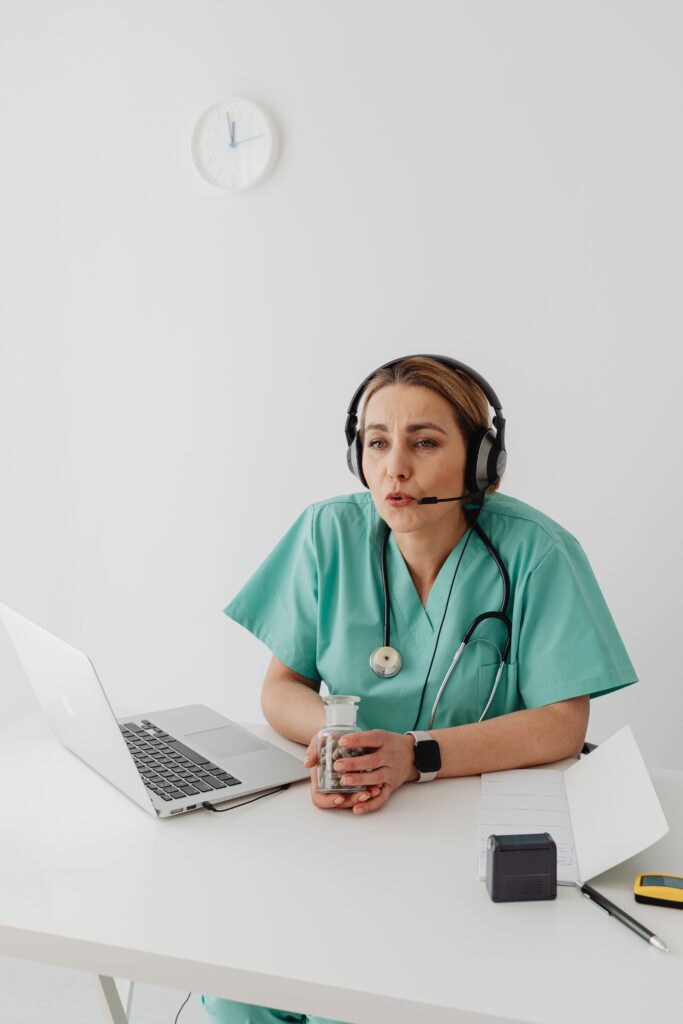
Buprenorphine, the active medication in Suboxone, is one of the main treatments for opioid use disorder. A federal rule now provides a pathway for starting buprenorphine treatment through a telemedicine encounter, which means an office visit may not be required before your first prescription.
In practice, this often looks like a video evaluation, a plan built with your provider, a prescription sent to your pharmacy, and close follow-up in the first weeks. If you want to understand what starting looks like day by day, read our guide on how to start Suboxone and what to expect on day one, or learn more about care from a Suboxone doctor in Burbank.
Telehealth covers a lot, but not everything. Long-acting injectable medications have to be given by a clinician in person. Sublocade, a monthly buprenorphine injection, and Vivitrol, a monthly naltrexone injection, both require an office appointment for the shot itself.
Many patients use a mix. The evaluation, medication management, counseling, and check-ins happen by video, and they come to the Burbank office once a month for the injection. If a monthly shot interests you, see our page on Vivitrol and naltrexone treatment in Burbank. Oral medications, including buprenorphine films and naltrexone tablets, generally do not require an in-person visit.
The reasons people delay treatment are often practical rather than personal. Telehealth may address several of them at once:
Missed appointments are one of the most common reasons treatment stalls. When a visit takes twenty minutes instead of half a day, keeping it may feel realistic.

California has parity requirements for telehealth, which generally mean health plans cover a covered service delivered by video the same way they cover it in person. Many plans also cover medications for opioid use disorder, though copays and prior authorization rules vary.
At LA Integrative Psychiatry, we accept Anthem, Aetna, Cigna, UnitedHealthcare, and Medicare, and our team verifies your benefits before your first visit so you know the cost in advance. If you are paying out of pocket, ask about generic medications and pharmacy discount programs, which may lower what you pay at the counter.
Telehealth is regulated by the state where the patient is located, not where the provider sits. If you are in California during your appointment, your provider must hold a California license. A provider licensed only in another state cannot treat you here.
This matters when comparing national online services. Before your first visit, confirm the provider is licensed in California, ask whether they can prescribe medication for opioid use disorder, and ask how follow-up works. Local practices carry an added benefit, since they can see you in person if your plan ever calls for it.
The first appointment is longer than later ones, usually 45 to 60 minutes. Your provider reviews your substance use history, past treatment, medical conditions, mental health, and current medications. There is no lecture and no judgment. The goal is an accurate picture so the plan fits you.
Together you review medication options and decide on a starting plan, including which medication, what dose, and how the first days will go. If a prescription is appropriate, it is sent to your pharmacy. Before you log off, you will have follow-up scheduled and a way to reach the office with questions. Early follow-up is usually frequent, then spaces out as things stabilize.
The technical requirements are modest. Most people already have what they need:
You do not need to download complicated software. Most visits open from a link sent by text or email. If technology is a worry, call the office ahead of time and staff can test the connection with you.

Telehealth fits many situations, though not all. In-person care may be the better path if you have significant medical complications that need a physical exam or lab work, if you are experiencing severe withdrawal that needs monitoring, if alcohol withdrawal is a concern, since it can be medically serious, or if you want a monthly injectable medication.
Your provider will tell you honestly if your situation calls for an office visit or a higher level of care. Starting with a telehealth evaluation still makes sense in most cases, because that conversation is how the right setting gets decided. To see the full range of options, read about our addiction treatment services.
Medication is one part of the plan. Evidence suggests that pairing medication with counseling and support may work better than medication alone. The medication may ease cravings and withdrawal, while counseling helps with the habits, triggers, and life changes that come with recovery.
The Substance Abuse and Mental Health Services Administration supports combining medication with behavioral health support for opioid use disorder. Counseling works well by video for many people, and some find it easier to open up from their own space. Our plans pair medication management with counseling and regular check-ins, virtually or in the office.
Getting started is simpler than most people expect. Call the office or book online, and the team will find an appointment and check your insurance. Your first visit happens by video from wherever you are in California. If medication is appropriate, a prescription goes to your pharmacy, and follow-up is scheduled before you finish.
You do not need to have everything sorted out beforehand. You do not need a certain number of sober days. The first visit is a conversation about where you are and what you want to change. Our MATE-certified provider treats patients by telehealth across California and in person at our Burbank office.
In many cases, yes. Current federal rules include a pathway for starting buprenorphine treatment through a telemedicine visit, often without a prior in-person exam. Your provider confirms what applies to your situation and follows current federal and California requirements.
No. Telehealth care is available anywhere in California, as long as you are physically in the state during your appointment. In-person visits happen at our Burbank office for anyone who prefers them or needs a monthly injection.
Many plans cover telehealth visits on the same terms as in-person visits, and many cover medications for opioid use disorder. Coverage and copays vary. Our team verifies your benefits before your first appointment so there are no surprises.
Yes. Visits use secure, HIPAA-compliant technology, and the same privacy rules that protect an office visit protect a video visit. Records related to substance use treatment carry additional federal protections.
Visits are usually more frequent in the first weeks, sometimes weekly, then space out as things stabilize. The exact schedule depends on your medication, your progress, and your provider’s guidance.
MAT telehealth California care may make treatment reachable for people who could not fit an office visit into their week. Current rules support virtual evaluations and prescriptions for opioid use disorder medication, insurance often covers these visits, and the only requirement that never changes is a provider licensed in your state.
Schedule a consultation today by telehealth anywhere in California or in person at our Burbank office. We accept most major insurance and verify your benefits before your first visit. A MATE-certified provider can help you decide whether virtual treatment fits your situation.
Medically reviewed by Knarik Oganesyan, FNP-C, PMHNP-BC (MATE-certified). Last updated August 2026. This article is for educational purposes and is not a substitute for personalized medical advice. Telehealth prescribing rules for controlled medications may change, and your provider follows the requirements in effect at the time of your visit. If you are in crisis or having thoughts of self-harm, call or text 988 for the Suicide and Crisis Lifeline. SAMHSA’s National Helpline is available 24/7 at 1-800-662-HELP (4357).