We accept most insurance plans and provide convenient Telehealth services across Los Angeles and Burbank



If you have OCD and are weighing your treatment options, you are asking the right question. CBT for OCD and medication are the two most studied approaches, and each works in a different way. This guide compares 5 proven differences between them, so you can understand which may fit your needs. Many people do well with one, the other, or a thoughtful mix of both. You do not have to figure this out alone.
Below, we break down how each treatment works, how fast it helps, what side effects to expect, and what the long-term results look like. By the end, you will have a clear, plain-language picture to bring to your provider.
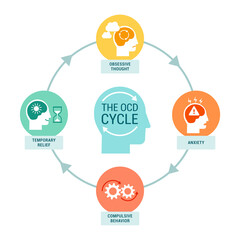
CBT for OCD is a structured talk therapy that helps you change the thoughts and behaviors that keep OCD going. The most effective form for OCD is a specific type called Exposure and Response Prevention, or ERP. It is considered the gold-standard psychological treatment for the condition.
In ERP, you gradually face the situations that trigger your obsessions while resisting the urge to perform compulsions. Over time, your brain learns that the feared outcome does not happen, and the anxiety fades on its own. According to the International OCD Foundation, ERP has strong evidence behind it and is the first-line therapy most experts recommend.
CBT for OCD takes effort and practice, but it gives you skills you keep for life. Instead of just easing symptoms, it teaches your mind a new way to respond to fear. That is why so many providers start here.
Medication for OCD works on brain chemistry to reduce the intensity of obsessions and compulsions. The most common options are a group of antidepressants called SSRIs, or selective serotonin reuptake inhibitors. For OCD, these are often prescribed at higher doses than for depression.
The National Institute of Mental Health notes that SSRIs can meaningfully reduce OCD symptoms for many people. Medication does not erase OCD, but it can turn the volume down enough that daily life feels manageable again. For some, that relief also makes therapy easier to do.
Careful medication management matters here. Finding the right medication and dose takes time and follow-up, and your provider adjusts the plan based on how you respond. Medication is a tool, not a quick fix, and it works best with the right guidance.
The biggest difference is the mechanism. CBT for OCD changes behavior and thinking patterns through practice and repetition. You actively retrain how your brain responds to triggers. The change comes from what you do, session after session.
Medication works from the inside out. It adjusts brain chemistry to lower the baseline level of anxiety and intrusive thoughts. You do not have to “do” anything beyond taking it as prescribed and attending follow-ups. The change comes from a shift in your body’s chemistry.
One teaches a skill. The other adjusts biology. Neither is better in every case, and that is exactly why the right choice depends on the person. Some people prefer the active, skill-building path of CBT for OCD, while others need the chemical relief that medication can provide first.
Speed is another key difference. Medication often takes time to build up. Many people do not feel the full effect of an SSRI for OCD until 8 to 12 weeks, and the dose may need to be raised along the way. The wait can be frustrating, but the relief is often steady once it arrives.
CBT for OCD can produce noticeable change within weeks, especially once you start ERP exercises. Some people feel more in control after just a few sessions. The progress depends on how often you practice between visits, since the skills grow with repetition.
If you need relief quickly and struggle to engage in therapy at first, medication may help you get started. If you want to build lasting skills and can commit to regular practice, CBT for OCD may move you forward faster than you expect.
This is where the two approaches differ the most. CBT for OCD has no physical side effects. The main challenge is emotional, since facing your fears in ERP can feel uncomfortable at first. That discomfort is temporary and is part of how the treatment works.
Medication can cause side effects, though many are mild and fade over time. Common ones include nausea, sleep changes, or reduced appetite early on. Side effects vary by person and medication, which is why close monitoring matters.
For people who want to avoid medication side effects entirely, CBT for OCD is an appealing first step. For those who find therapy too hard to start, medication can ease the way. Your provider helps you weigh these trade-offs based on your health and history.
Long-term outcomes are a major reason CBT for OCD is so valued. Because it teaches skills, the benefits often last well after therapy ends. Many people continue to use ERP techniques on their own for years, which helps prevent relapse.
Medication tends to work while you take it. Symptoms can return if you stop, which is why any change should always be made with your provider, never on your own. For some people, staying on medication long term is the right and safe choice.
Evidence suggests that CBT for OCD may offer more durable protection against relapse, while medication offers reliable relief during treatment. This is one reason many providers combine the two, using medication for steady support and therapy to build lasting skills.
Practical factors matter too. CBT for OCD usually means weekly sessions for several months, plus homework between visits. It asks for your time and active effort. Many insurance plans cover therapy, which keeps the cost manageable.
Medication often involves fewer appointments once your dose is stable. You may see your provider every few weeks at first, then less often. Prescriptions and follow-ups are also commonly covered by insurance, and generic SSRIs tend to be affordable.
If your schedule is tight, medication may demand less of your week. If you can invest the time, CBT for OCD pays off with skills that reduce the need for ongoing care later. At our practice, we accept most major insurance, so cost is rarely the deciding factor between the two.
Yes, and for many people this is the strongest approach. Combining CBT for OCD with medication lets each treatment cover the other’s gaps. Medication can lower anxiety enough to make ERP exercises feel possible, while therapy builds skills that protect you over time.
This combined path is common for moderate to severe OCD. The medication takes the edge off, and the therapy does the deeper work of changing how you respond to triggers. Together, they often produce better results than either one alone.
An integrative approach makes this easier to coordinate. When one provider oversees both your therapy referral and your medication, your care stays connected. You can learn more about our approach to OCD treatment and how we tailor it to each person.
There is no single right answer, and the best choice depends on your symptoms, your goals, and your life. Still, a few general guidelines can help you and your provider start the conversation.
The most important step is talking with a provider who knows OCD well. A certified specialist can assess your situation and recommend a plan that fits you. Not sure where to begin? Our guide on the signs you need an OCD specialist can help you decide.
A good evaluation comes before any treatment choice. Your provider reviews your symptoms, how long you have had them, and how much they affect your daily life. This step makes sure the plan targets your specific type of OCD, since the condition looks different from person to person.
From there, your provider explains your options in plain terms, including the pros and cons of CBT for OCD, medication, and a combined plan. You are part of the decision, not a bystander. The goal is a plan you understand and feel comfortable following.
At LA Integrative Psychiatry, our provider Knarik Oganesyan, FNP-C, PMHNP-BC, is certified in OCD treatment. She blends evidence-based care with a whole-person view that considers sleep, stress, and overall health. Both in-person and telehealth visits are available across California.
Our Burbank office is easy to reach from across the region, and telehealth makes OCD care available anywhere in California. Patients come to us for CBT for OCD and medication support from many nearby communities, including:
Whether you visit in person or meet by video, the quality of care is the same. Telehealth has made it far easier for busy adults to start and stay with treatment without losing time to traffic and parking.
A few myths stop people from getting the help they need. Clearing them up makes the choice between your options far less scary.
Myth 1: “Talking about my fears will make them worse.” ERP does ask you to face fears, but in small, planned steps with support. Over time, this lowers anxiety rather than raising it. The discomfort is temporary and purposeful.
Myth 2: “Medication will change who I am.” Well-managed medication reduces symptoms without erasing your personality. Most people feel more like themselves, not less, once obsessions quiet down.
Myth 3: “If one treatment fails, nothing will work.” OCD care often takes adjustment. If the first plan does not help enough, your provider can change the dose, switch approaches, or add therapy. Many people succeed on a second or third plan.
Myth 4: “OCD is just being neat or organized.” True OCD involves distressing, intrusive thoughts and compulsions that take real time and cause real suffering. It is a medical condition, and it responds to proper treatment.
Letting go of these myths often makes the first appointment feel possible. The truth is that effective help exists, and most people improve with the right plan.
The first session is usually about understanding, not exposure. Your provider asks about your obsessions, compulsions, and how they affect your day. There are no trick questions, and nothing you share is too strange to mention. People with OCD often worry their thoughts are unusual, but providers hear these concerns every day.
You will talk through your goals and what relief would look like for you. If ERP is the plan, your provider explains how it works and builds a step-by-step ladder of situations to face, starting with the easiest. You move at a pace that feels manageable, never rushed.
If medication is part of the plan, your provider reviews your health history and explains what to expect, including timing and any side effects to watch for. You leave the first visit with a clear picture of the road ahead and a plan you helped shape.
Knowing what happens first removes a lot of the fear. The hardest part is usually making the appointment, and after that, each step gets a little easier.
Neither is simply better. CBT for OCD, especially ERP, builds lasting skills and is often the first-line therapy. Medication can provide steady relief and may help you start therapy. Many people do best with a combination, guided by a provider who knows OCD.
Many people notice progress within a few weeks of starting ERP, though full results take longer. The pace depends on how often you practice between sessions. Most treatment plans run for several months of weekly visits.
Not always. Some people use medication for a period and then taper off with their provider’s guidance, especially if they have built strong skills through therapy. Any change should be made with your provider, never on your own.
Often, yes. Most major plans cover therapy and psychiatric medication for OCD. LA Integrative Psychiatry accepts most major insurance, and our office can help you verify your benefits before you start.
Yes. ERP-based CBT for OCD is widely used and effective for young people, and it is often the recommended first treatment. A provider experienced with OCD can adapt the approach to a child or teen’s age and needs. LA Integrative Psychiatry treats adults 18 and older, so for a child or teen we can refer you to a pediatric OCD specialist.
Getting better is rarely a straight line, and good care plans for that. Whether you choose therapy, medication, or both, your provider stays involved to adjust the plan as your needs change. Regular check-ins help catch setbacks early and keep your progress on track.
Many people also find it helpful to build a support system outside of appointments. Trusted friends, family, or a support group can remind you that you are not alone. Healthy sleep, movement, and stress management round out a strong recovery and support whatever clinical treatment you choose.
The goal is not just fewer symptoms today, but a steady, confident life over the long run. With the right plan and ongoing support, most people reach a place where OCD no longer runs the show.
You now understand the 5 key differences between CBT for OCD and medication, plus how the two can work together. The right choice starts with a conversation with a certified OCD provider who can match the plan to your needs. Relief is possible, and the first step is reaching out.
Schedule your consultation today at our Burbank office or by telehealth anywhere in California. We accept most major insurance and are happy to help you find the approach that fits you best.
Medically reviewed by Knarik Oganesyan, FNP-C, PMHNP-BC. Last updated May 2026. This article is for educational purposes and is not a substitute for personalized medical advice. Always talk with your provider before starting or changing treatment.